The league’s third year runs on a new fall schedule — and everything built this season comes back louder: promotion and relegation, new clubs, old scores to settle, and a stat system that never sleeps.
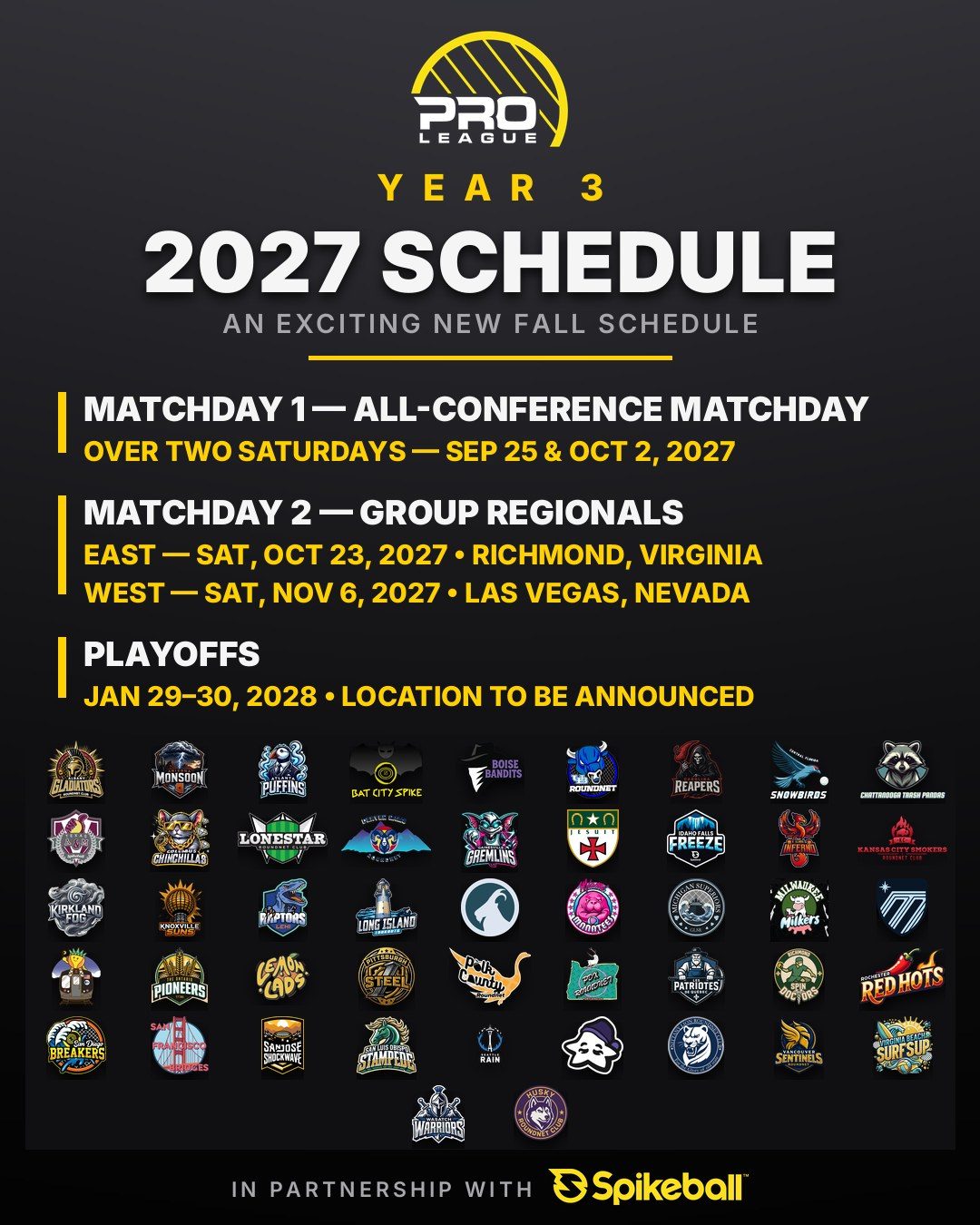
Nine ways Year 3 levels up — every one of them built on what this season started.

Promotion & relegation. Your playoff finish sets your tier for Year 3. Champions rise, the bottom of the bracket drops — every place is worth playing for.

Rivalries & rematches. The champions defend. The squads they beat in January have had months to think about it — and in Year 3 they get their rematch.
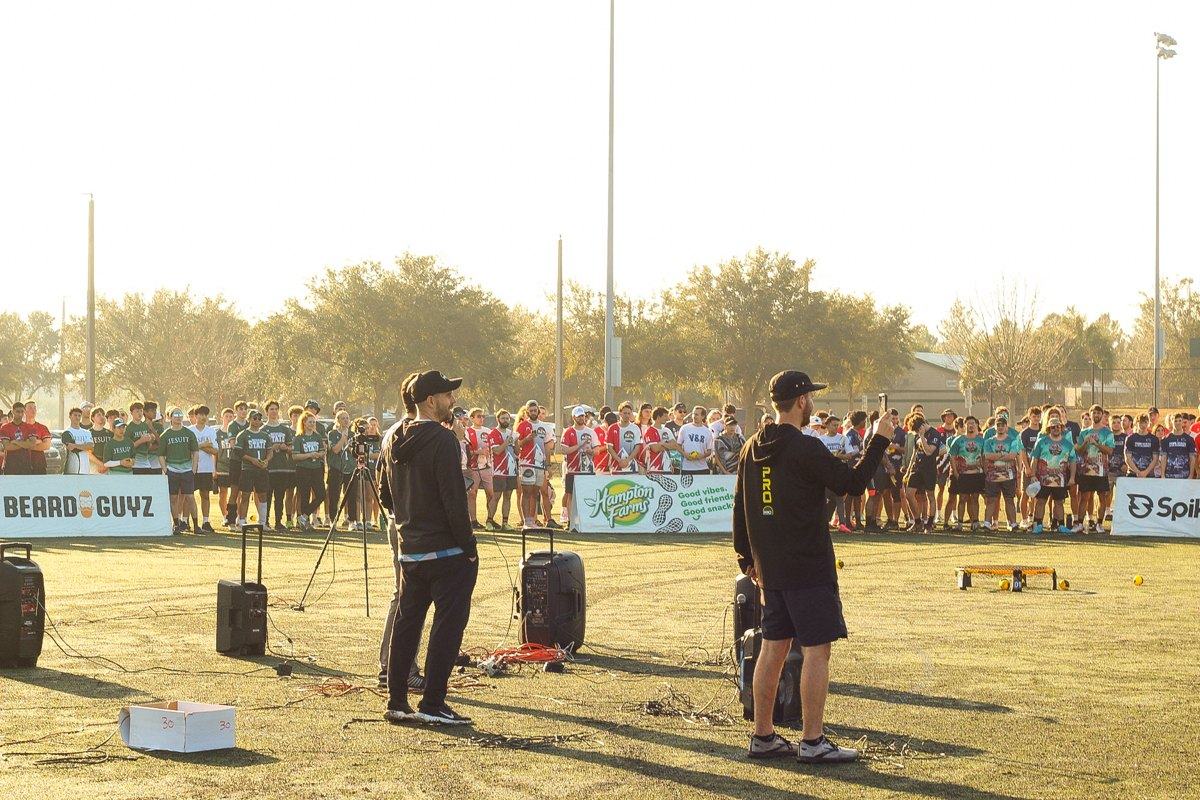
New clubs on the map. The league keeps growing — new crests, new home fields, new conferences to conquer.

The pathway is real. More players earn their way onto Pro rosters, and more Minor roster spots open up underneath them. Play well and the ladder moves.

Bigger clubs, more fans. Clubs add squads, sidelines get louder, and the weekend gets a crowd — spectator passes and banquet tables at Slot Choice night.

More live streaming. More of the season, live — the big matches, the brackets and the finals, wherever you are watching from.
More stats, moving Elo. The full stat system returns: PRO Scores, PER and captain records — and Team Elo that moves after every matchday.

Coaches matter here. The Coach Pass and the coaching track come back — captains and coaches build records of their own, season after season.

All-Stars & the big awards. Club and conference All-Stars, plus the named MVP awards — the Skyler Boles Award for P1 and the Allie Foster Award for Women’s.
One fall season, three stops, one champion’s weekend.
The road to Year 3 starts this January in Orlando — the playoffs set the tiers, the rivalries and the targets. Be there when it starts.
The map Year 3 starts from — every club in the league, with new crests joining it.
The key questions for this page. The full league FAQ — all 233 answers — lives on one page.
The PRO Roundnet League is a national club-based roundnet league featuring P1, P2, M1, M2, and Women's divisions. Clubs compete throughout the season for standings, Team Elo, playoff qualification, promotion, relegation, and championships. The league is built to create long-term club identity, structured competition, regional growth, and advancement pathways from beginner levels to the highest level of play. The season includes three official matchdays followed by championship playoffs in Orlando, Florida.
The season includes three primary matchdays:
• Matchday 1 — Super Regionals (Las Vegas & Richmond)
• Matchday 2 — Local Conference Competition
• Matchday 3 — Orlando Season Finale. Championship playoff brackets begin Friday evening after Matchday 3 and conclude Saturday.
League standings use a group point system:
• Win = 3 points
• Tie = 1 point
• Loss = 0 points. Group points primarily determine playoff qualification. Team Elo combines with group points per match in the Power Score, which sets playoff seeding and the Slot Choice order and helps decide the final top-bracket spots from the Play-In Schedule.
Team Elo is the league's rating of team strength, carried all season. Every squad starts in a band set by last year's playoff finish — bands of four, with P2 starting below P1 — and squads that didn't reach last year's playoffs are calibrated on their Matchday 1 performance. Ratings stay frozen during a matchday and update once, after the full Matchday ends — never after individual matches. Elo may impact:
• Top bracket qualification
• Play-In Schedule at-large spots
• Seeding and the Slot Choice order (through the Power Score)
• Division comparisons
• Competitive balancing. The first Team Elo ratings publish November 9.
Divisions create balanced competition at every skill level while providing a clear pathway for advancement. The structure helps:
• Reduce major skill mismatches
• Create promotion opportunities
• Encourage club growth
• Reward long-term development
• Allow newer teams to compete meaningfully